42 660 112 630
info@ihomesupport.com.au
Some days, getting through a normal routine can take more effort than people realise.
Preparing a meal, getting dressed, keeping the house organised, attending an appointment, or simply getting out into the community can become difficult when disability affects mobility, energy, coordination, communication, or confidence.
That does not mean you should have to manage everything alone.
NDIS in-home support can provide practical assistance with everyday activities while helping you maintain control over how you live your life. The right support is not about taking over. It is about providing help where it is needed so you can spend more time doing the things that matter to you.
What Is NDIS In-Home Support?
NDIS in-home support refers to disability-related assistance delivered in or around your home. Depending on your individual circumstances and NDIS plan, this can include help with daily activities, personal care, household tasks, meal preparation, routines, and other practical areas of everyday life.
The NDIS currently recognises Assistance with Daily Life as one of its home-and-living support options. This can be particularly relevant for people who need targeted assistance with everyday activities rather than support throughout the entire day.
The important part is that there is no single version of in-home support that works for everyone.
One person may need assistance with personal routines. Another may need help preparing meals or managing household responsibilities. Someone else may need support to build skills and participate more confidently in everyday activities.
Your support should reflect those differences.
What Can In-Home Disability Support Help With?
The type of assistance available depends on your needs, goals, funding, and approved supports.
For some participants, support at home may involve:
- Personal care and daily routines
- Meal preparation
- Household tasks
- Laundry and cleaning
- Organising everyday activities
- Developing daily living skills
- Assistance with appointments and routines
- Support with community access
- Building confidence with everyday tasks
The NDIS explains that home-and-living supports can help participants manage daily activities and find a living arrangement that works for them.
The goal is not simply to complete a list of tasks.
Good support considers how you want those tasks handled, what you can do yourself, where you need assistance, and what skills you may want to develop over time.
Why Personalised Support Matters
Imagine having someone complete every task for you without asking what you want to learn or manage yourself.
It might save time, but it may not help you become more confident.
A better approach is to provide the right level of assistance.
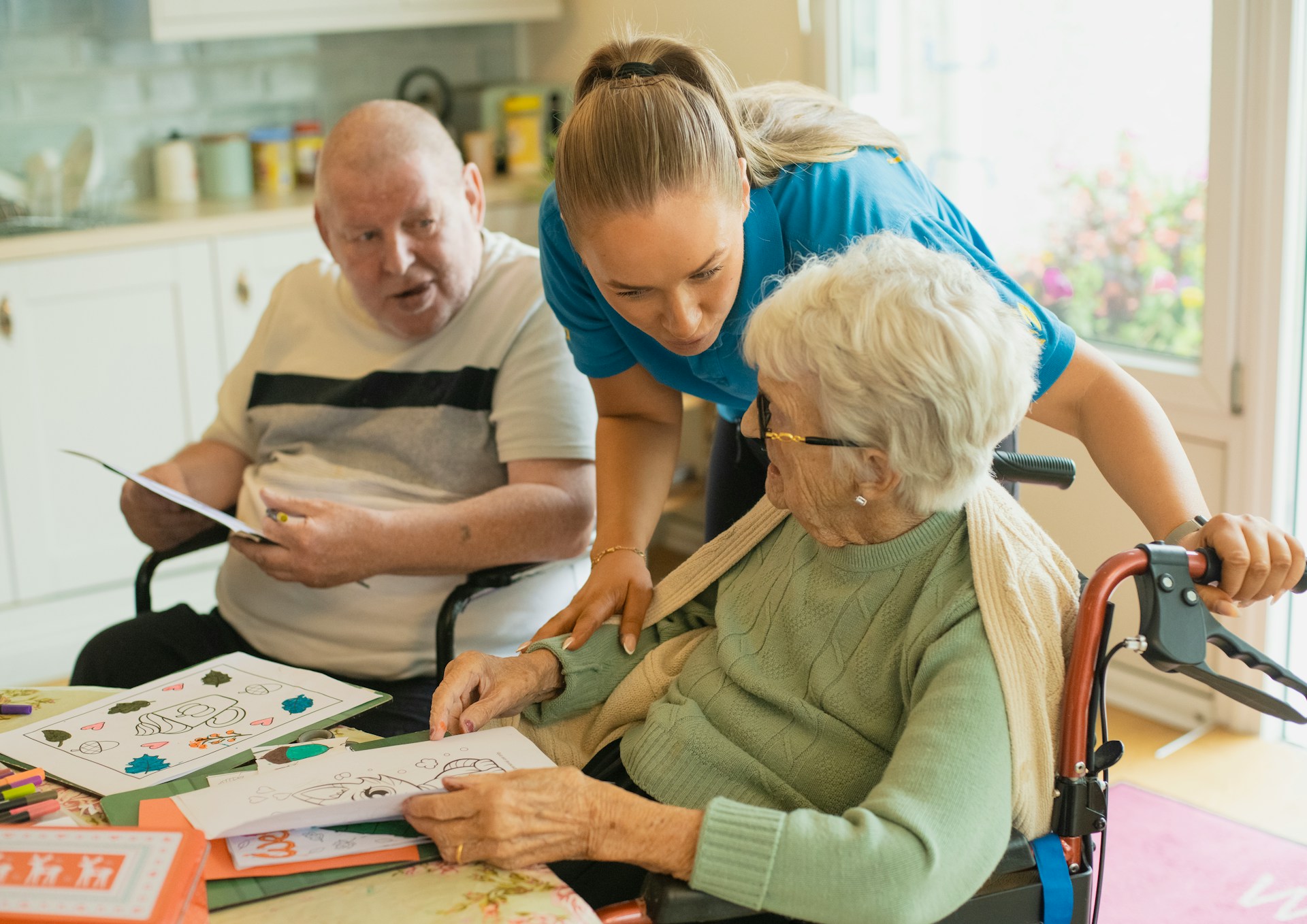
For example, a support worker might help you prepare a meal while encouraging you to take part in the steps you can manage. They may assist with household tasks while helping you establish a routine. They may provide support during an activity without making every decision on your behalf.
This distinction matters.
The purpose of quality disability support is not simply to make life easier today. It can also help create practical opportunities for greater participation and independence over time.
That is why choosing a provider should involve more than asking whether they offer NDIS support. It is worth considering how they actually deliver that support.
When Might You Need Support At Home?
You may be considering in-home disability support because everyday tasks have become harder to manage.
Perhaps you are finding personal routines more difficult. Maybe household responsibilities are taking longer than they used to. You might need assistance after a change in your circumstances, or you may want support while developing new daily living skills.
You may also be looking for a way to remain involved in your own routine without depending entirely on family members.
These are all reasons to explore your available options.
The NDIS encourages participants to consider different home-and-living arrangements according to their individual needs. Assistance with daily life, SIL, SDA, MTA and other options serve different purposes, so the most suitable choice depends on your circumstances.
NDIS In-Home Support vs Supported Independent Living
These two terms are sometimes confused, but they are not the same thing.
Assistance with Daily Life can provide targeted help with everyday activities. It may be suitable for someone who needs assistance with particular tasks but does not require support all the time.
Supported Independent Living (SIL) is intended for participants with higher support needs who require a support worker to help or supervise them 24 hours a day, seven days a week.
That difference is important when exploring your options.
You should not assume that SIL is the right solution simply because you need help at home. Your circumstances and level of support needed should guide the conversation.
How To Choose An NDIS In-Home Support Provider
Choosing a provider is a personal decision.
Before committing, consider whether the provider:
Understands Your Actual Needs
A good conversation should be about more than your NDIS plan. You should be able to explain your routine, challenges, preferences, and goals.
- Offers The Support You Need
Check whether the provider delivers the specific services you are looking for, such as daily living assistance, personal care, household support or community participation.
- Communicates Clearly
You should know who will provide your support, what the service involves, how arrangements are managed, and who to contact if circumstances change.
- Respects Your Choices
Support should fit into your life rather than forcing your life to fit around the provider’s processes.
- Has Appropriate Credentials And Requirements
For regulated or registered services, check the provider’s current registration status and the requirements that apply to the service you need. The NDIS Provider Finder allows participants to search for registered providers by location and registration group.
Finding NDIS In-Home Support In Greater Melbourne
For participants in Greater Melbourne, having access to a local support provider can make arrangements more practical.
Individual Home Support provides disability support across Greater Melbourne and surrounding Victorian communities, including Greater Geelong, the Mornington Peninsula, Ballarat, Bendigo and Shepparton.
Services include Assistance With Daily Life, Supported Independent Living, Specialist Disability Accommodation, Medium Term Accommodation, Social and Community Participation, Short Term Respite, TAC Support and DVA Support.
This means participants can explore different types of assistance according to their circumstances rather than trying to fit every need into one service.
What Should You Ask Before Starting Support?
You do not need to have everything figured out before contacting a provider.
A useful first conversation can start with simple questions:
- What type of support do I need at home?
- Which services could help with my daily routine?
- Can support be adjusted if my circumstances change?
- How will my preferences be communicated to support workers?
- What areas do you service?
- What happens when I first enquire?
- Can you explain how your support works?
The answers can help you determine whether the provider feels like the right fit.
The Right Support Should Fit Your Life
Needing assistance does not mean giving up control over your everyday life.
The right NDIS in-home support can give you practical help where you need it while leaving room for your choices, routines, and personal goals. It can also provide reassurance for families and carers who want their loved one to receive dependable assistance.
The first step is understanding what kind of support would genuinely make a difference.
If you are looking for NDIS in-home support in Greater Melbourne, Individual Home Support helps you explore the services available for your circumstances.
Contact us to discuss your support needs and find a practical path forward.